


Many people wonder how the Bahá’í Faith pays for its temples, community centers, educational programs, and other activities. The answer is quite simple: Bahá’í institutions are funded almost entirely through voluntary donations from Bahá’ís themselves.
Unlike some religious groups, the Bahá’í Faith does not require members to pay tithes or fixed dues. Giving is considered a personal and spiritual act, and each person decides privately how much, if anything, they wish to contribute. Donations are made according to an individual’s means, and there is no pressure to give a certain amount.
One unique aspect of the Bahá’í system is that only Bahá’ís can contribute to official Bahá’í funds. The Faith generally does not accept donations from non-Bahá’ís for its regular religious activities. This principle helps ensure that the community’s work is supported by those who identify with its beliefs and goals.
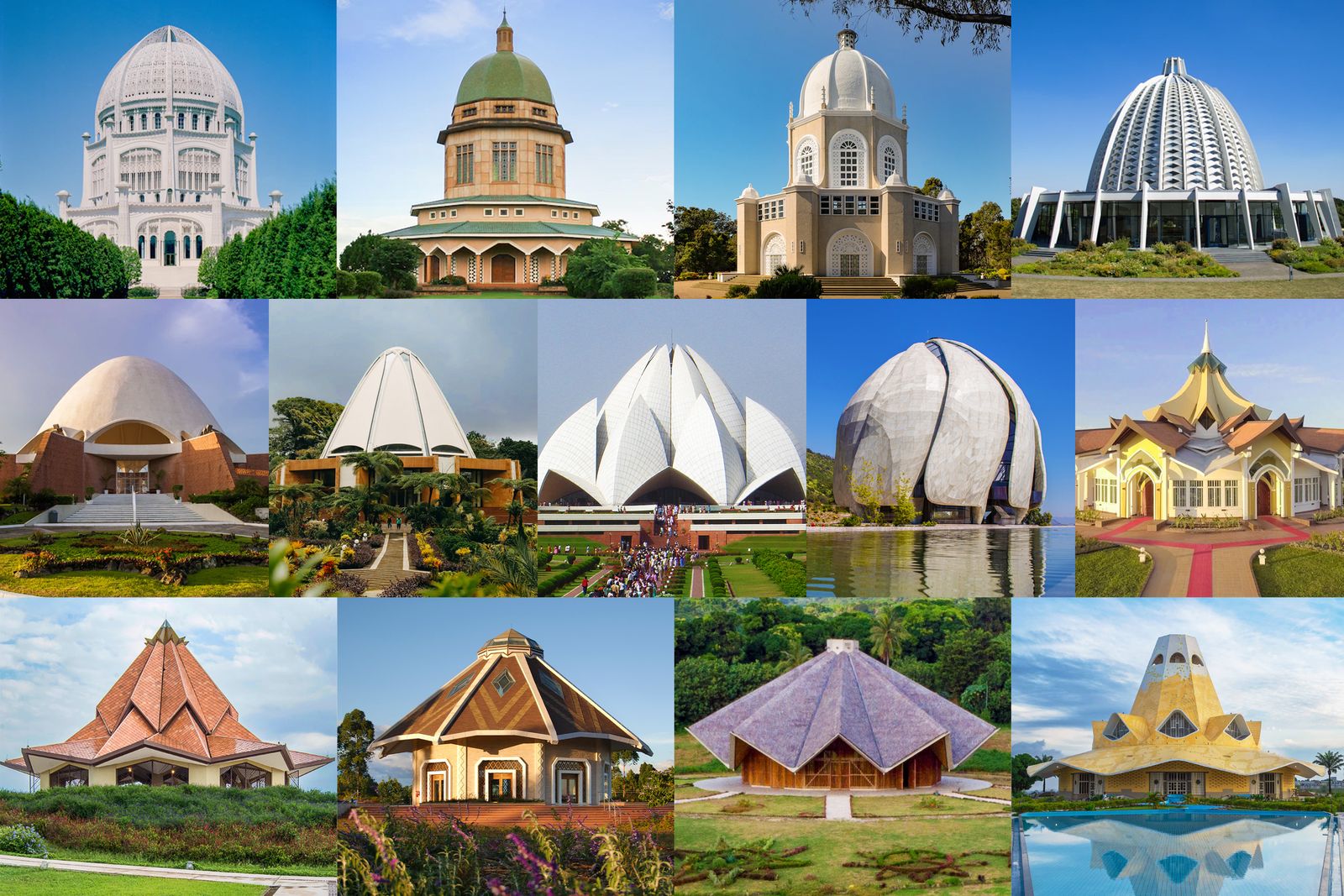
The money collected is used in many ways. It helps maintain Bahá’í Houses of Worship, local and national administrative offices, and community facilities. Funds also support children’s classes, youth programs, educational initiatives, and various social and humanitarian projects. On a global level, donations help support the work of the Bahá’í World Centre in Haifa and assist communities in countries that have fewer financial resources.
Large projects, such as the construction of Bahá’í temples, are usually financed through contributions gathered from Bahá’ís around the world over many years. Rather than relying on governments, businesses, or wealthy sponsors, these projects are typically the result of many individuals making voluntary contributions.
In short, Bahá’í money comes mainly from the generosity of its members. Through voluntary giving, Bahá’ís support the religious, educational, and humanitarian work of their global community.
 Thames Valley Bahá’í Community