
In the innate nature of things there is no evil—all is good. This applies even to certain apparently blameworthy attributes and dispositions which seem inherent in some people, but which are not in reality reprehensible. For example, you can see in a nursing child, from the beginning of its life, the signs of greed, of anger, and of ill temper; and so it might be argued that good and evil are innate in the reality of man, and that this is contrary to the pure goodness of the innate nature and of creation. The answer is that greed, which is to demand ever more, is a praiseworthy quality provided that it is displayed under the right circumstances. Thus, should a person show greed in acquiring science and knowledge, or in the exercise of compassion, high-mindedness, and justice, this would be most praiseworthy. And should he direct his anger and wrath against the bloodthirsty tyrants who are like ferocious beasts, this too would be most praiseworthy. But should he display these qualities under other conditions, this would be deserving of blame.
Tag: truth
It’s a question of principle
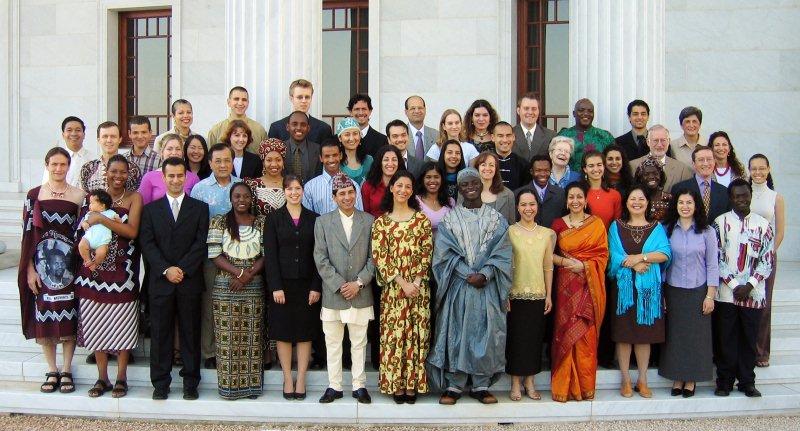
The Bahá’í Faith is the youngest of the world’s independent religions. Among the many Bahá’í principles are the following:
the unity of the races and elimination of prejudice, the equality of women and men, universal education, the elimination of extremes of wealth and poverty, a spiritual solution to economic problems, the harmony of science and religion, the independent investigation of truth, the creation of a world commonwealth of nations that will keep the peace through collective security.
More is available here about the Bahá’í Faith.
 Thames Valley Bahá’í Community