

There are moments in life when the path ahead blurs, when the heart feels heavy and unsure of where to turn. During these moments, the Baha’i Faith offers gentle guidance, reminding us that confusion can become a doorway to clarity, purpose, and peace.
Even when hardship feels overwhelming, it is not without meaning.
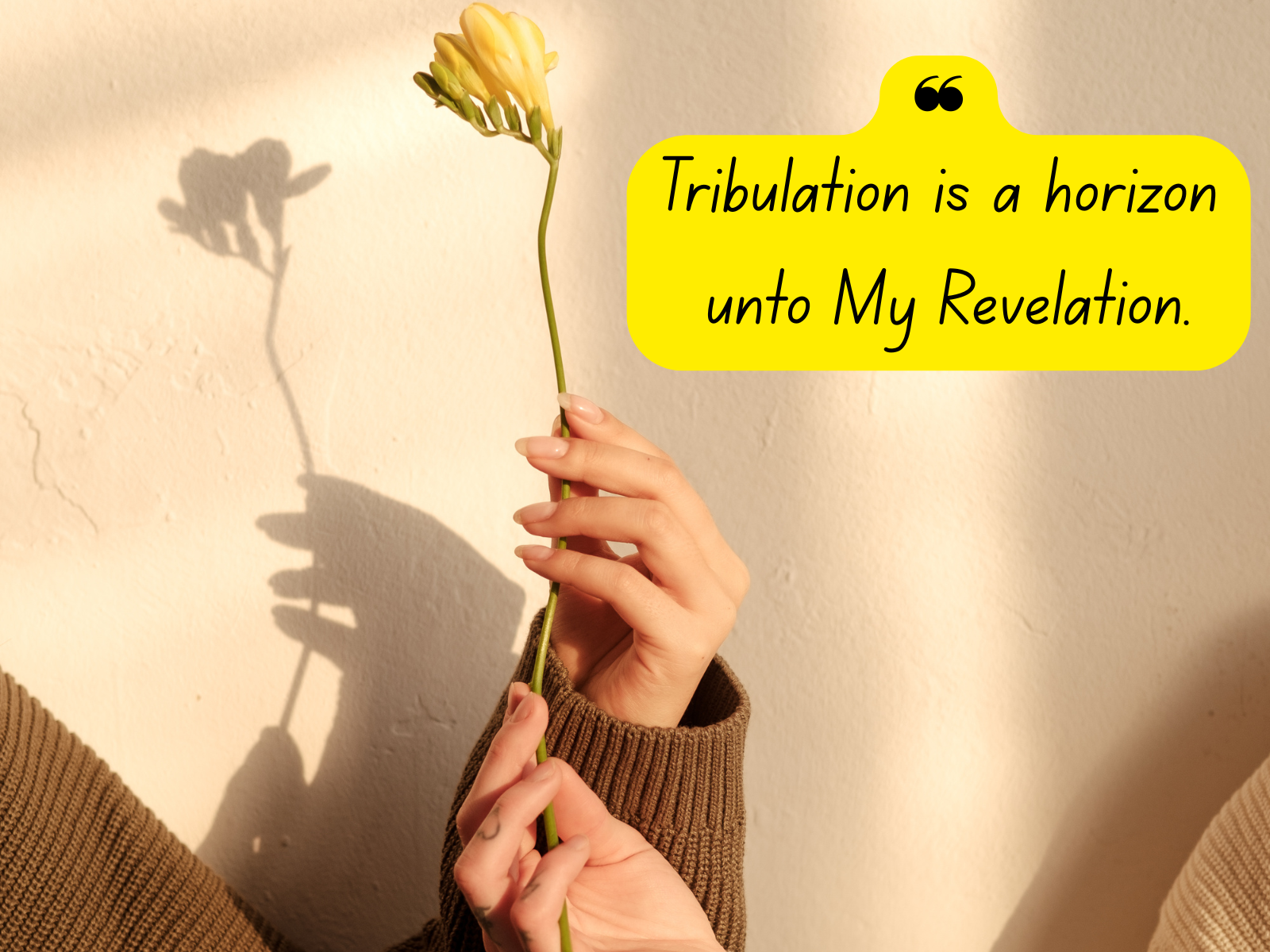
One place to begin is within. Bahá’u’lláh reminds us, “Tribulation is a horizon unto My Revelation. The Day Star of grace shineth above it.” Even when hardship feels overwhelming, it is not without meaning. Through prayer, meditation, and silent reflection, we begin to see beyond the horizon of difficulty and reconnect with the grace already shining above it. A few moments of stillness can calm the heart, ease anxiety, and remind us that we are never truly alone.
Another source of comfort lies in the Sacred Writings. The words of Baha’u’llah and ‘Abdu’l-Baha speak directly to times of uncertainty, offering wisdom that nurtures hope and patience. Reading even a short passage can feel like a conversation with the soul, one that reassures us that our struggles have meaning and that every test carries the seed of growth.
Community also plays a powerful role in healing a wandering heart. The Baha’i Faith emphasizes fellowship, consultation, and shared support. Opening up to friends, family, or members of the Baha’i community can bring new perspective and encouragement. Listening to others’ journeys, both their hardships and triumphs, reminds us that life is not meant to be navigated alone.
Service becomes both a compass and a gift, guiding the heart while uplifting those around us.
Service, too, has a quiet way of restoring purpose. Acts of kindness, no matter how small, shift our focus outward and reconnect us with the larger world. When we serve others, our own burdens often feel lighter, and our sense of direction grows clearer. Service becomes both a compass and a gift, guiding the heart while uplifting those around us.
Above all, the Baha’i teachings encourage trust in God. Feeling lost often comes from the desire to control outcomes we cannot yet see. As ‘Abdu’l‑Bahá explains, “The more difficulties one sees in the world the more perfect one becomes…” Recognizing that challenges have a purpose allows us to move forward with courage, trusting that clarity and growth will come through each trial, even when the path ahead is uncertain.
When the heart feels empty or unsure, these spiritual principles offer a way forward: turning inward, drawing strength from sacred words, leaning on community, serving others, and trusting in God. Feeling lost is not the end of the journey. Often, it is the beginning of a deeper understanding, of ourselves, our purpose, and our place in the world. With each small step, the path grows brighter.

 Thames Valley Bahá’í Community