Can One Faith Unite All Beliefs?

The Bahá’í Faith says it can. It teaches that all humans are one family and that every sincere path to the divine shares the same core truths. Instead of replacing other teachings, it acts like a canopy, connecting diverse beliefs under the shared principles of love, justice, and unity.

The Bahá’í Faith acts like a canopy, connecting diverse beliefs under the shared principles of love, justice, and unity.

A central idea in the Bahá’í Faith is the oneness of spiritual guidance. Bahá’ís believe that God has sent many teachers throughout history – Abraham, Moses, Krishna, Buddha, Zoroaster, Jesus Christ, Muhammad, and others. These teachers are called Manifestations of God, and each brought guidance suited to the time and place in which they appeared. While their social laws and customs differed, their messages of love, compassion, and service are the same.

Bahá’ís believe that Bahá’u’lláh, the Founder of the Bahá’í Faith, is the latest of these Manifestations. His teachings honor past guidance while offering solutions for today’s challenges. Rather than rejecting earlier teachings, Bahá’u’lláh fulfills their promises and helps humanity move toward global unity.

Another important principle is the oneness of humanity. Differences in race, culture, language, or background should not divide people. Bahá’ís describe humanity as a garden of flowers, each unique, yet all beautiful together. True unity does not mean everyone is the same; it means respecting differences while working together in harmony.

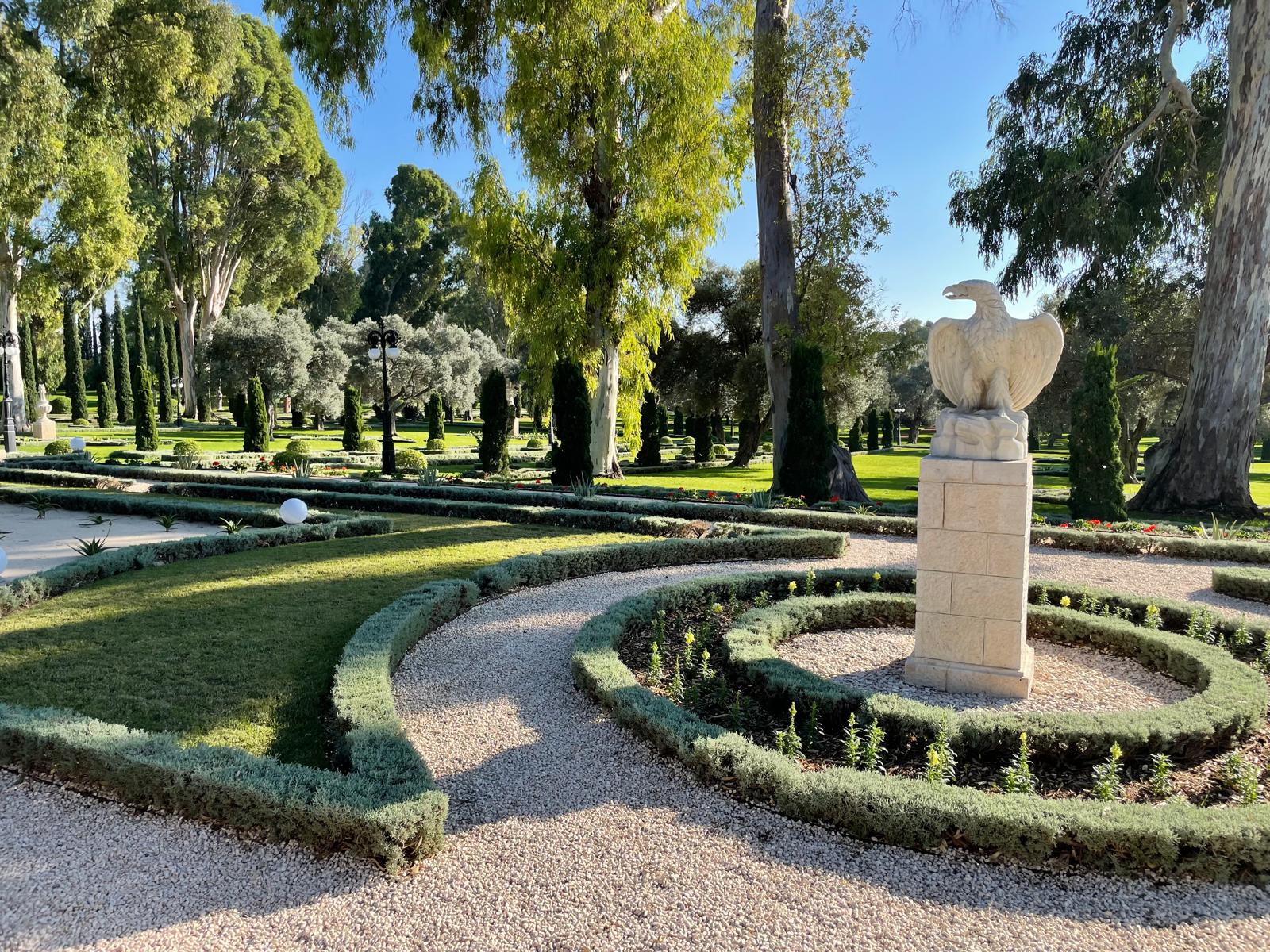
Bahá’ís describe humanity as a garden of flowers, each unique, yet all beautiful together.

The Bahá’í community reflects this vision in practical ways. There is no clergy. Local communities are guided by elected councils, and the global affairs of the Faith are overseen by the Universal House of Justice. Decision-making uses consultation, a process that values truth, humility, and collective wisdom over personal opinion.

Daily life also emphasizes devotion and service. Houses of Worship, open to everyone, welcome prayers from all paths, and gatherings like the Nineteen Day Feast strengthen fellowship and community spirit. The ethical principles in the Kitáb-i-Aqdas guide both personal growth and the well-being of society.

By honoring the shared origin and purpose of all spiritual guidance, the Bahá’í Faith offers a vision where humanity can gather under one canopy, celebrating diversity, nurturing unity, and working together to build a peaceful and just world.
Joy, Devotion, and Fellowship in the Holy Land

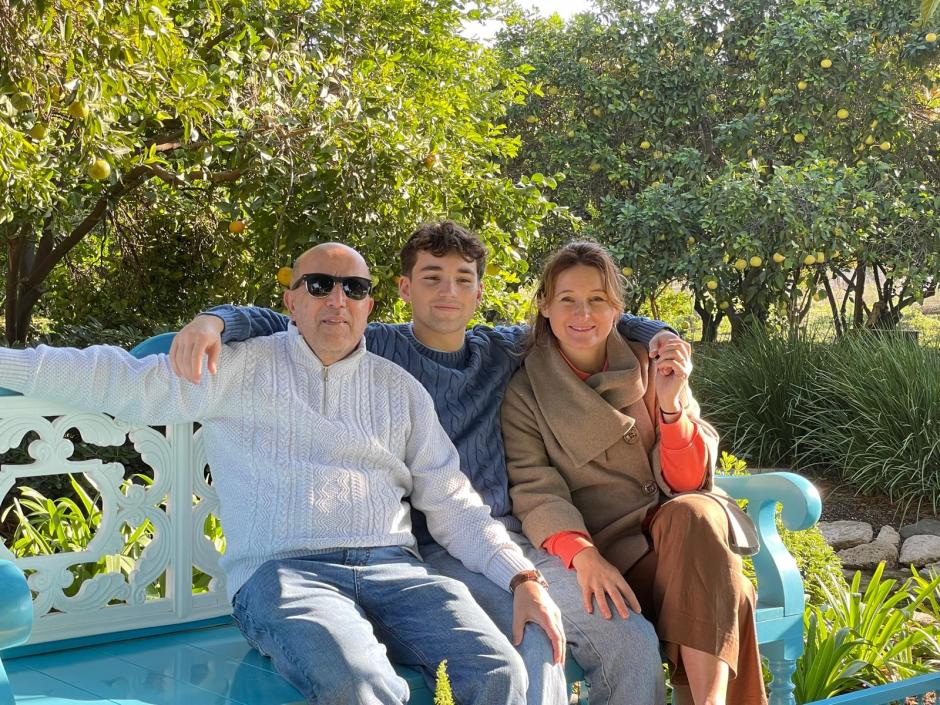
For nine luminous days, the Khorassani family was blessed to walk the sacred paths of the Bahá’í World Centre in Haifa and ‘Akká, undertaking a pilgrimage that deepened their faith, expanded their vision of service, and filled their hearts with gratitude and bliss. From the first moments of arrival, the atmosphere of serenity, order, and spiritual purpose surrounded them, inviting reflection on the lives and sacrifices of the Central Figures of the Faith.

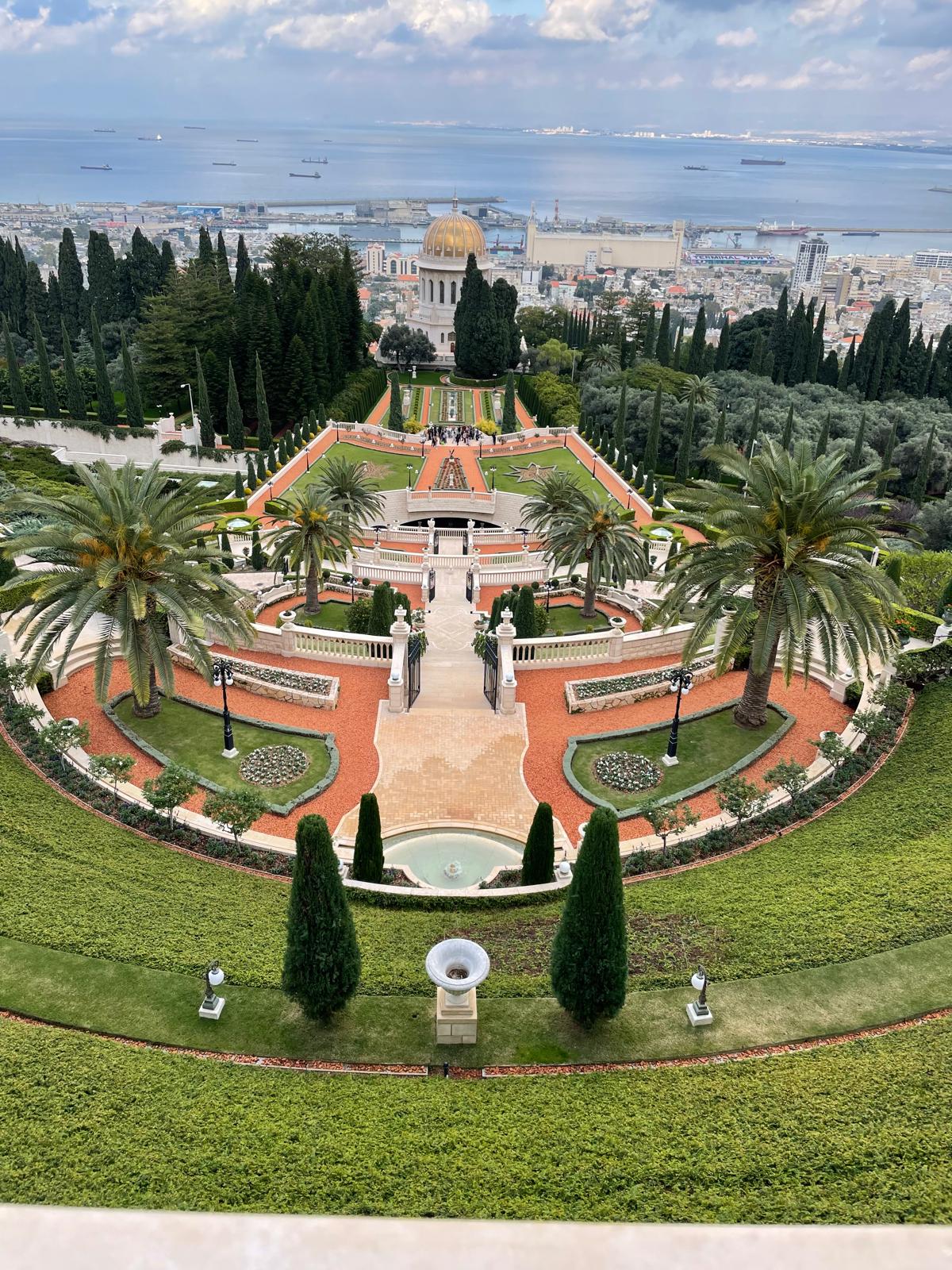
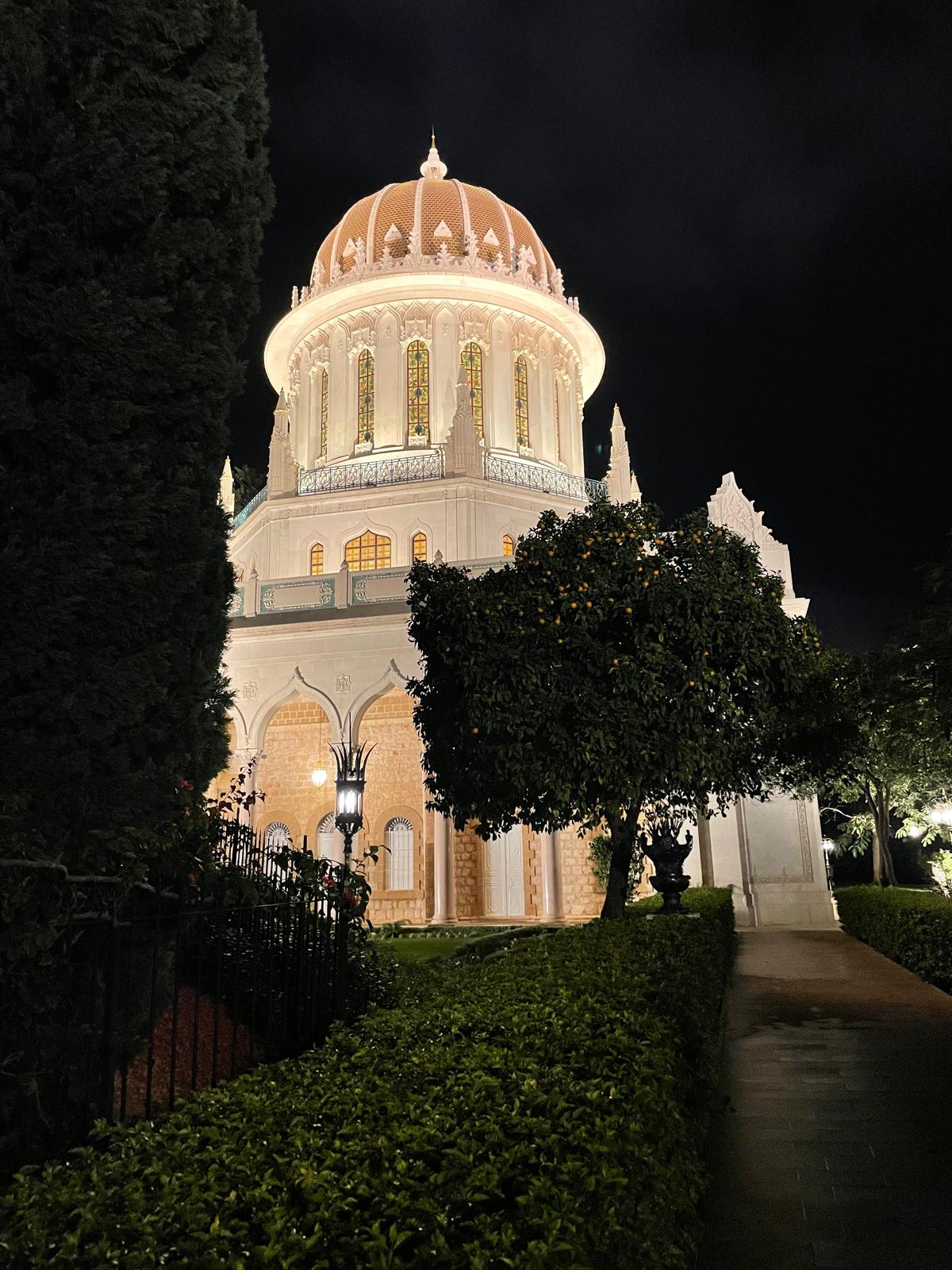
Each day unfolded as a harmony of prayer, visitation, learning, and fellowship. The family spent precious hours at the Shrine of the Báb on Mount Carmel, where quiet supplication blended with awe at the beauty of the terraced gardens and the profound significance of the resting place of the herald of the Bahá’í Faith. In moments of stillness, prayers were offered not only for personal growth but for the progress of humanity, peace, and the steadfastness of the friends across the world.

A particularly moving experience was the visit to the Shrine of ‘Abdu’l-Bahá in ‘Akká, still under construction. Standing at this historic site, the family reflected on the life of the Master, His humility, His tireless service, and His boundless love for all the mankind. The unfolding construction itself felt symbolic: a visible expression of humanity’s collective effort to build a world founded on unity, justice, and love.

Throughout the pilgrimage, they were uplifted by encounters with fellow pilgrims from diverse regions of the globe. Conversations flowed naturally, transcending language and culture, as stories of teaching, service, and perseverance were shared. The presence of joyful youth, radiant with hope and dedication, was especially inspiring. Their enthusiasm testified to the power of the faith to release the capacities of young people and empower them as protagonists of social transformation.

The family also cherished the opportunity to reconnect with dear friends and to participate in meetings and talks with members of the Universal House of Justice. These gatherings were marked by clarity, warmth, and encouragement. A recurring theme was the importance of accompaniment and inclusivity, ensuring that every soul can find a place in the activities of the community suited to their capacity and circumstances. This approach, the House members emphasized, lies at the heart of the current Nine-Year Plan, which calls for sustained, systematic efforts to build vibrant, spiritually empowered communities for the betterment of the world.

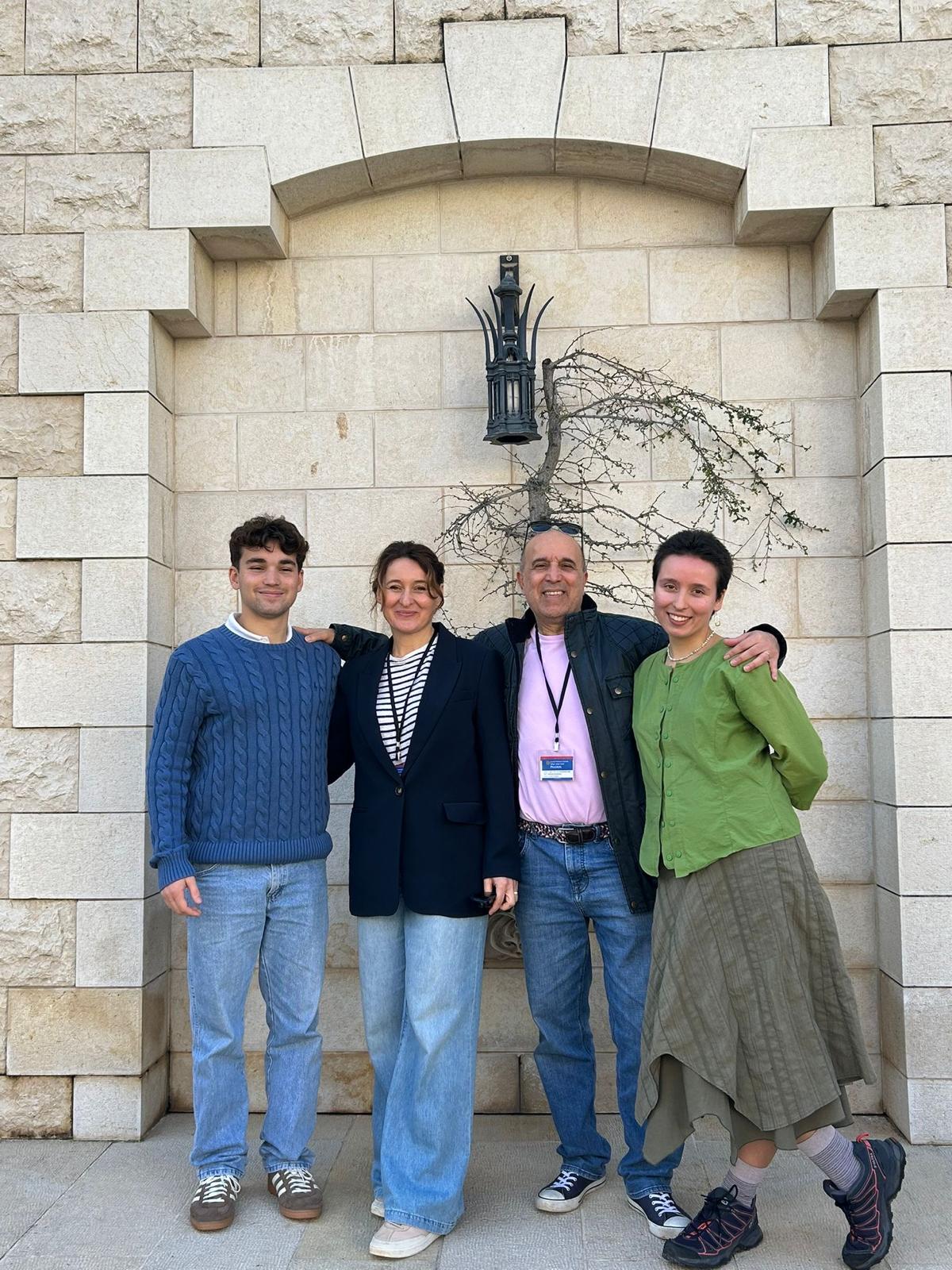
Particular joy filled the hearts of the family as they spent time with their daughter, Saba, who will be serving at the World Centre for one year. Witnessing her commitment to service, and seeing her flourish in such a sacred environment, was both humbling and exhilarating.

As the days passed, the rhythm of pilgrimage, visitation, reflection, and fellowship wove together moments of profound spiritual insight and simple happiness. Laughter shared over meals, prayers whispered in holy places, and conversations rich with purpose all combined to create memories that will last for a lifetime.

As the pilgrimage came to an end, the Khorassani family departed with hearts renewed and a clearer sense of responsibility. Strengthened by the spiritual forces released in the Holy Land, they returned home determined to arise with greater dedication, to include and uplift others, and to contribute wholeheartedly to the collective endeavors of the Bahá’í community in this pivotal period of the Nine-Year Plan.